A platform that advocates for environmental conservation and provides information on environmental issues, news and events in Kenya and around the world.
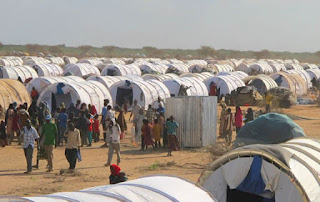
Recently we saw the Kenyan govenrment take a bold step and announce it was planning to close the Daadab refugee camp and relocate the refugees back to their country. This move has both been hailed and condemned in equal measures. Personally, i won't enter into that debate but i would rather address a different side of the whole issue of the existence of refugees in our country especially in the camps. It is worth noting that when there is a high concentration of refugees occurring rapidly a number of environmental problems are experienced. In the absence of mitigating measures, physical deterioration of the surrounding environment soon takes place thus generating a number of impacts on both the refugees and the local population. Some of the environmental problems associated with refugees include: Natural resource deterioration. Degradation of renewable resources such as forests, soils, water etc dominates the environmental problems associated with refugees for example contami...
Let's come out and call for justice for wildlife this Saturday the 7th of October 2017, as we march from the National Museums of Kenya to the Kenya Wildlife Services headquaters in Nairobi from 8am to 3pm in solidarity with the Global March for Elephants, Rhinos and Lions movement. The march's objective will be to speak out against illegal practices such as poaching and also highlighting conservation issues which include human-wildlife conflicts, urbanisation and climate change among others. These are among threats that have made these animals to face the threat of being endangered that could lead them to extinction. The call for an end to all forms of trade in wildlife trophies such as elephant ivory, rhino horn and lion teeth and bones will also be reiterated by the participants. On the frontline of this event will be Wildlife Direct . Lets make our voice be heard by joining this great cause. Conversation is going on on social media is using #Justice4Wildlife and #GM...
May 22nd of each year marks the International Biodiversity Day which aims to increase awareness and knowledge on the issues affecting our biodiversity. The theme for the 2015 celebrations is "Biodiversity for Sustainable Development". This is an important day as it helps in raising awareness at local, national and international levels of the importance of ecosystems and biodiversity to the well being of present and future generations. This is being incorporated into the SDGs which are taking over from the MDGs whos time will br elapsing in 2015. There is also need to take keen interest in biodiversity conservation in order to help elavate green growth, fight poverty and improve rural livelihood through efforts which will lead to adequate access to food and clean water.


Comments
Post a Comment